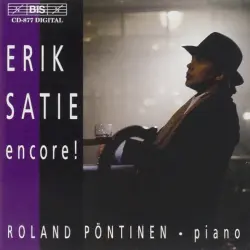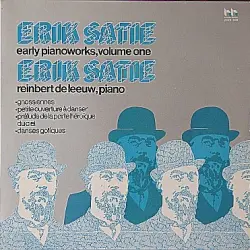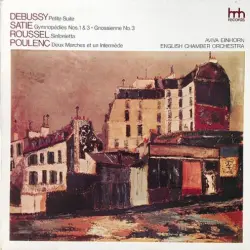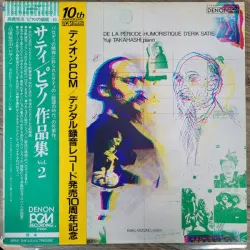

History
Erik Satie: A Pioneer of Modern Music
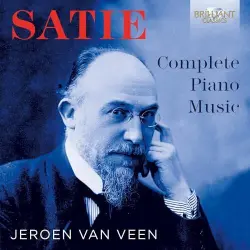
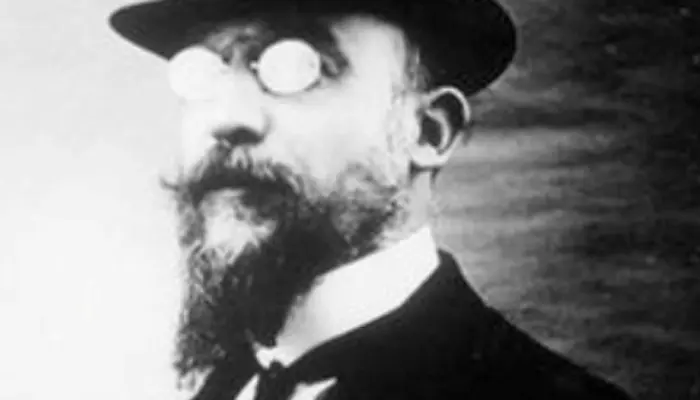
Erik Satie (born Eric Alfred Leslie Satie, May 17, 1866 – July 1, 1925) was a French composer and pianist whose unconventional approach to music profoundly influenced the development of 20th-century classical music. Born in Honfleur, France, to a French father and a British mother, Satie's early musical education at the Paris Conservatoire was marked by a departure from traditional academic rigor; he did not complete his diploma.
Early Career and Groundbreaking Compositions
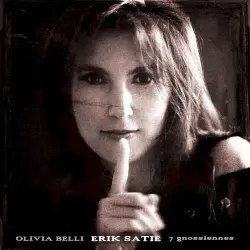
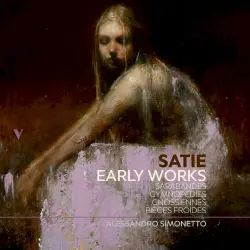
During the 1880s, Satie established himself as a pianist in the vibrant café-cabarets of Montmartre, Paris. It was during this period that he began composing his early works, primarily for solo piano. His iconic pieces from this era, such as the Gymnopédies and Gnossiennes, introduced a minimalist and atmospheric quality that set him apart from his contemporaries. He also composed music for a Rosicrucian group, reflecting his diverse interests.
A Mature Artist and Influential Figure
After a period of less prolific output, Satie returned to formal study at the Schola Cantorum in Paris. This later academic pursuit proved more fruitful, allowing him to refine his unique musical voice. By around 1910, Satie had become a significant influence on a new generation of younger composers drawn to his distinctive aesthetic. He was associated with the avant-garde group Les Six and collaborated with the writer Jean Cocteau on the ballet Parade (1917). This groundbreaking production, staged by Serge Diaghilev, featured sets and costumes by Pablo Picasso and choreography by Léonide Massine, further cementing Satie's reputation as an innovator.
Musical Style and Lasting Legacy
Satie's compositions played a crucial role in shifting French music away from the prevailing post-Wagnerian and impressionist styles towards a more concise, restrained, and often witty aesthetic. Composers such as Maurice Ravel, Claude Debussy, and Francis Poulenc openly acknowledged his influence, and later musicians, including John Cage and John Adams, have cited him as a key inspiration. Satie's music is characterized by its often unresolved harmonies, unorthodox structures—such as the omission of bar lines in the Gnossiennes—and straightforward melodies that sometimes drew from early sacred music. He also gained recognition for his unconventional titles, including Veritables Preludes flasques (pour un chien) (1912) and Sonatine bureaucratique (1917). While many of his compositions are short piano pieces, he also explored larger forms, such as the vocal work Socrate (1919) and the ballets Mercure and Relâche (both 1924).
Personal Life
Satie lived a modest life, remaining unmarried and residing in simple accommodations in Montmartre and later in Arcueil, a suburb of Paris. He was known for his eccentric personal style, adopting various distinctive personas throughout his life, from religious attire to matching velvet suits, and later embracing a more conservative bourgeois appearance. Satie struggled with alcoholism throughout his life and died of liver cirrhosis at the age of 59.
Discography