
History
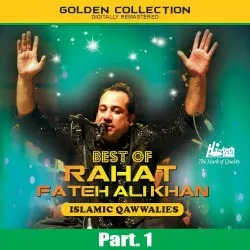
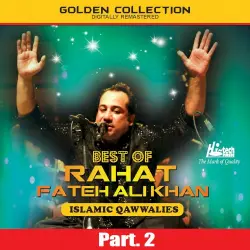
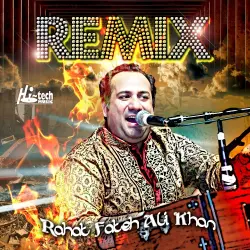
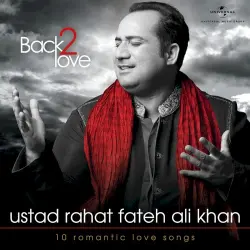
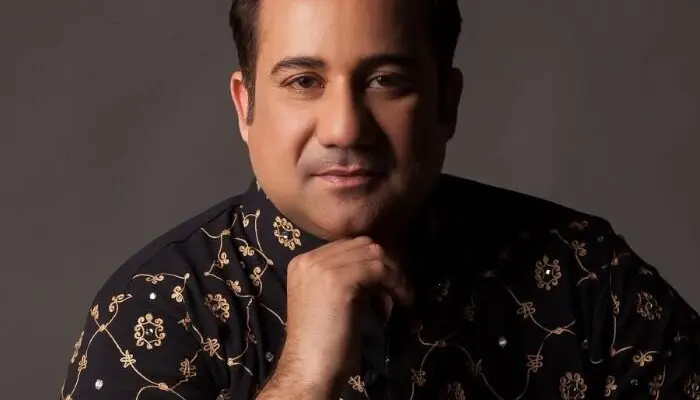
Rahat Fateh Ali Khan is a globally acclaimed Pakistani musician and singer, primarily recognized for his mastery of Qawwali, the devotional music of the Sufis. Born in 1974 in Faisalabad, Punjab, he belongs to a prestigious lineage of traditional musicians. As the nephew of the legendary Ustad Nusrat Fateh Ali Khan and the son of Farrukh Fateh Ali Khan, he has carried forward the legacy of the 600-year-old Qawwal Bachon Ka Gharana.
Early Life and Musical Training
Rahat was immersed in the world of classical music from a young age. He began his formal training under the tutelage of his uncle, Nusrat Fateh Ali Khan, who mentored him in the complexities of classical ragas and the spiritual art of Qawwali. His talent was evident early on; he gave his first public performance at the age of eleven, eventually becoming an integral part of his uncle's world-touring Qawwali party.
International Collaborations and Hollywood
Beyond his roots in traditional Sufi music, Rahat Fateh Ali Khan has made significant contributions to international cinema and cross-genre collaborations. In 1995, he worked with his uncle and Eddie Vedder of Pearl Jam on the soundtrack for the Hollywood film Dead Man Walking. His career in Western film music continued with a collaboration with composer James Horner for the 2002 film The Four Feathers.
In the same year, he provided vocals for the song "Maki Madni" on the Derek Trucks Band album Joyful Noise. His distinct vocal style was also featured in the soundtrack of Mel Gibson’s 2006 epic Apocalypto, further cementing his reputation as a versatile global artist.
Success in Bollywood and Popular Music
Rahat Fateh Ali Khan achieved massive commercial success in the Indian film industry, becoming one of the most sought-after playback singers in Bollywood. His career in India took off with the hit "Man Ki Lagan" from the 2004 film Paap. His ability to blend classical Sufi techniques with contemporary pop sensibilities made him a staple for romantic and soulful soundtracks.
Notable Film Contributions
"Jiya Dhadak Dhadak Jaye" – Kalyug (2005)
"Naina Thug Lain Ge" – Omkara (2006)
"Jag Soona Soona Lage" – Om Shanti Om (2007)
"Main Jahaan Rahoon" – Namastey London (2007)
"O Re Piya" – Aaja Nachle (2007)
"Bol Na Halke Halke" – Jhoom Barabar Jhoom (2007)
"Teri Ore" – Singh Is Kinng (2008)
"Ajj Din Chadheya" – Love Aaj Kal (2009)
In addition to his film work, he has released several successful independent albums, including Charkha in 2008, which showcased his continued dedication to traditional folk and Sufi themes. His career continues to span continents, as he performs ghazals, semi-classical music, and Qawwali for audiences worldwide.
Discography