
History
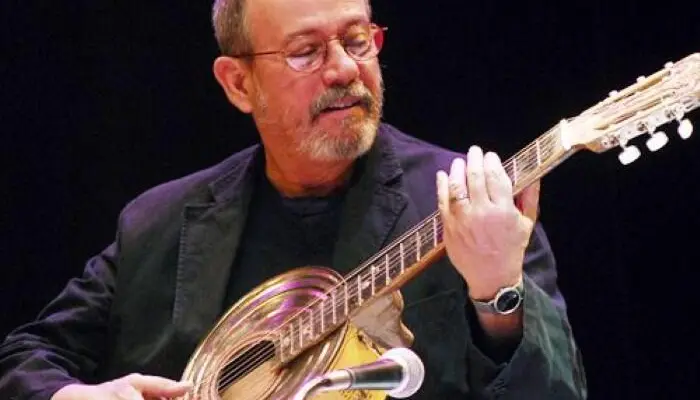
Silvio Rodríguez Domínguez, born November 29, 1946, in San Antonio de los Baños, Cuba, is a preeminent singer-songwriter and a leading figure of the Nueva Trova movement. His work is characterized by highly poetic lyrics and a sophisticated blend of folk and traditional Cuban rhythms, establishing him as one of the most influential musicians in the Spanish-speaking world.
Early Life and Military Service
Rodríguez’s path to music was shaped by the political climate of post-revolutionary Cuba. In the early 1960s, he served in the Revolutionary Armed Forces (FAR), a period of intense national mobilization following the Bay of Pigs invasion. During this time, he also participated in the Cuban Literacy Campaign, serving as an educator teaching subjects such as history, mathematics, and geography to rural populations.
Musical Beginnings and GESI
While serving in the military around 1964, Rodríguez learned to play the guitar under the tutelage of his friend Esteban Baños. This period marked the beginning of his songwriting efforts. After completing his military service in 1967, he launched his professional career, initially appearing on the television program Música y Estrellas. He soon became a founding member of the Grupo de Experimentación Sonora del ICAIC (GESI), a collective directed by Leo Brouwer that integrated avant-garde, jazz, and rock influences into Cuban music.
Artistic Legacy and Influence
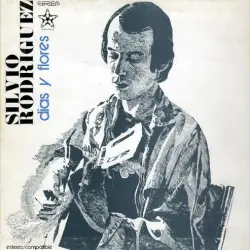
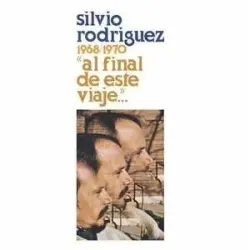
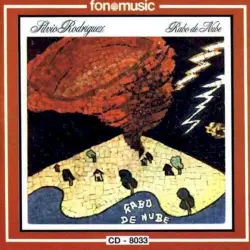
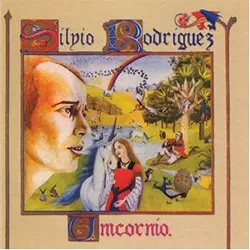
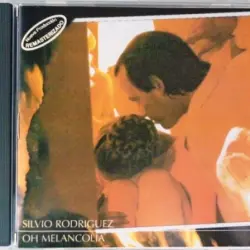
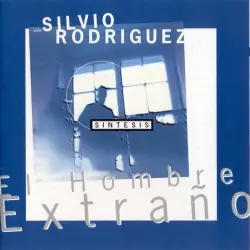
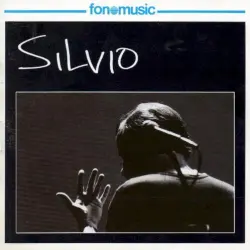
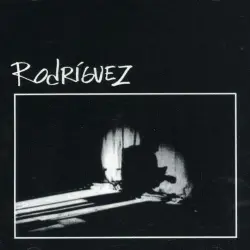
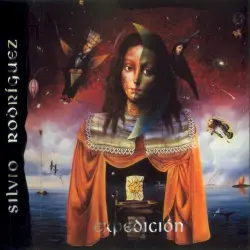
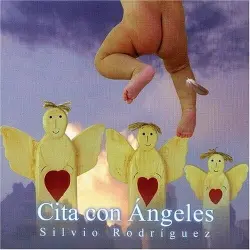
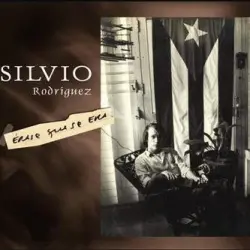
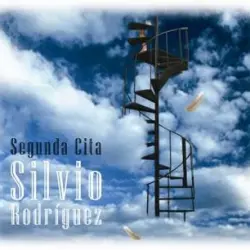
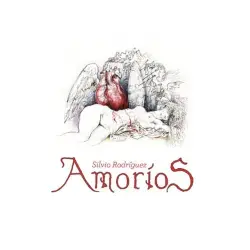
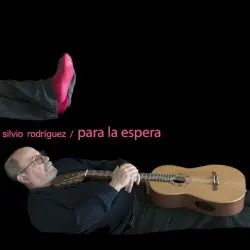
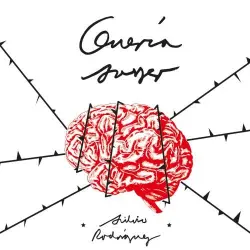
Throughout a career spanning more than five decades, Rodríguez has released a vast discography that includes essential albums such as Días y flores (1975), Al final de este viaje (1978), and Unicornio (1982). His compositions often navigate the intersection of personal emotion and social consciousness. Songs like "Ojalá," "La maza," and "El necio" have become cultural touchstones across Latin America and Spain, cementing his status as a central figure in the Great Latin American Songbook.
Discography