
History
Origins and Early Success in Sheffield
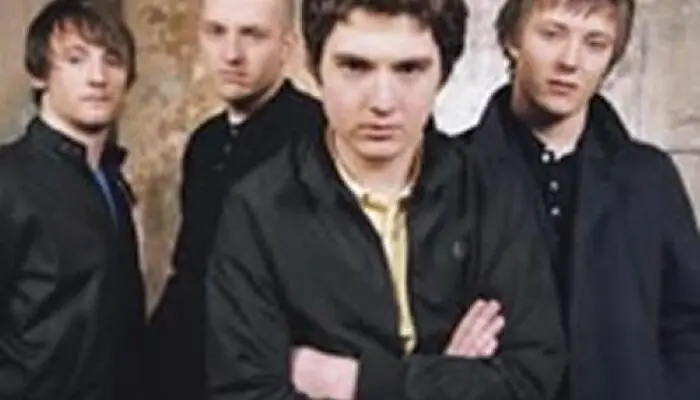
Milburn emerged from the vibrant South Yorkshire music scene in the early 2000s. Formed in Sheffield, the band consisted of Joe Carnall (lead vocals and bass), Louis Carnall (vocals and rhythm guitar), Tom Rowley (lead guitar), and Joe Green (drums). They quickly gained a reputation for high-energy performances and melodic songwriting that captured the spirit of the UK indie rock explosion.
The band's rise began in 2002 when they sold out the legendary Boardwalk venue in Sheffield twice. Their early development was bolstered by a residency at Red Tape Studios, where they were selected from dozens of local acts to participate in a professional development program. This experience led to high-profile support slots for bands like Laika Dog and Cosmic Rough Riders, as well as performances at prestigious venues including London’s The Garage and Liverpool’s Cavern Club.
Musical Style and Evolution
Milburn’s sound is characterized by sharp, aggressive guitar riffs and infectious hooks. Drawing inspiration from the mod-punk era, their music often drew comparisons to The Jam, while incorporating ska rhythms and the indie-rock sensibilities of contemporaries like The Libertines and Razorlight. Their early demos, particularly the track "Lipstick Lickin’," received critical acclaim and significant airplay on BBC Radio 1 from DJ Zane Lowe.
Major Releases and Commercial Peak
Following their initial success on the indie circuit, Milburn released their second studio album, These Are The Facts, on September 24, 2007. The album was preceded by the single "What Will You Do (When the Money Goes)?", which showcased the band's maturing sound. To promote the record, the group embarked on a comprehensive UK tour in late 2007. The tour concluded with a highly anticipated homecoming show at the Leadmill in Sheffield, which sold out in only three days.
Disbandment and Legacy
Despite their commercial momentum and a series of successful headline shows at venues like the Sheffield Octagon and the Doncaster Dome, Milburn announced their disbandment on March 28, 2008. The band members clarified that the split was amicable, citing a desire to explore new musical horizons rather than any internal conflict. While their initial run ended in 2008, they remained a respected fixture of the Sheffield indie scene, known for their authentic portrayal of youth culture and sharp, energetic songwriting.